
Every organization depends on valuable resources to operate effectively. These resources can include physical equipment, software, financial investments, vehicles, buildings, and digital assets. Without proper tracking and management, businesses may lose control over their resources, increase expenses, and face unnecessary risks.
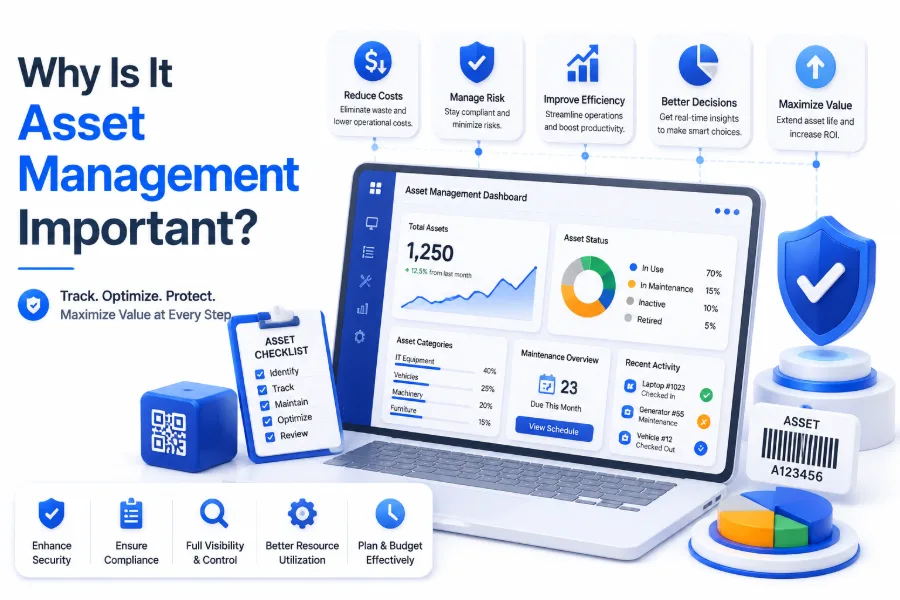
Many companies ask why is it asset management important because managing assets properly directly affects efficiency, productivity, and long-term growth. Asset management helps organizations know what they own, where assets are located, how they are being used, and when they need maintenance or replacement.
A strong asset management strategy allows businesses to make better decisions by using accurate information about their resources. Instead of reacting to problems after they happen, companies can plan ahead, reduce waste, and improve overall operations. Whether a company manages a few assets or thousands of them, having a structured approach creates better control and financial visibility.
What Is Asset Management
Asset management is the process of tracking, maintaining, optimizing, and managing an organization’s assets throughout their entire lifecycle. It involves planning how assets are acquired, used, maintained, and eventually replaced or retired.
Assets can include physical items such as machinery, computers, vehicles, and office equipment. They can also include digital resources like software licenses, cloud services, intellectual property, and important business data.
Effective asset management combines people, processes, and technology to ensure resources provide maximum value. It helps organizations avoid unnecessary purchases, monitor asset performance, and maintain accurate records.
Different Types of Business Assets
Organizations manage different categories of assets depending on their industry and operations. Each type requires proper monitoring to maintain value and prevent losses.
Physical assets require regular maintenance and tracking, while digital assets need security management and license control. Financial assets require careful planning to support business goals.
Common asset categories include:
- Equipment and machinery
- IT hardware and software
- Buildings and facilities
- Vehicles and transportation resources
- Financial investments
- Digital information assets
Why Asset Management Matters for Business Operations
Asset management is important because it provides businesses with better visibility into their resources. Without accurate information, companies may struggle to track asset locations, ownership details, maintenance schedules, and overall performance.
Poor asset management can lead to wasted spending, lost equipment, unexpected downtime, and inefficient processes. A structured system helps organizations maintain control and make smarter operational decisions.
By creating clear records and processes, businesses can improve accountability among employees and ensure resources are used properly. This leads to better productivity and fewer operational problems.
Improving Resource Visibility
One of the biggest advantages of asset management is knowing exactly what assets an organization has. Businesses can track important details such as purchase dates, warranties, conditions, and usage history.
Better visibility allows managers to identify underused assets and make informed decisions about future investments. It prevents duplicate purchases and helps organizations use existing resources more effectively.
Asset Management Helps Reduce Costs
Managing assets properly can significantly reduce unnecessary expenses. When businesses know how their resources are performing, they can avoid premature replacements and improve maintenance planning.
For example, regular equipment maintenance can prevent expensive breakdowns and production delays. Instead of replacing assets unexpectedly, companies can plan repairs and budget more accurately.
Asset management also helps identify assets that are no longer useful. Selling, recycling, or removing unused resources can reduce storage costs and improve financial efficiency.
Controlling Maintenance Expenses
Maintenance is a major cost factor for many organizations. Without proper tracking, companies may perform repairs too late or spend money maintaining outdated equipment.
Asset management systems help schedule preventive maintenance based on usage, condition, and manufacturer recommendations. This approach extends asset lifespan and reduces emergency repair costs.
Key cost-saving benefits of asset management:
| Benefit | Business Impact |
|---|---|
| Better maintenance planning | Reduces unexpected repair expenses |
| Accurate asset tracking | Prevents unnecessary purchases |
| Improved utilization | Maximizes existing resources |
| Lifecycle planning | Supports smarter replacement decisions |
| Reduced downtime | Keeps operations running efficiently |
Asset Management Improves Decision Making
Business decisions are stronger when they are based on accurate information. Asset management provides detailed data about resource performance, costs, and future requirements.
Managers can use asset information to decide whether to repair, replace, upgrade, or retire resources. This prevents decisions based on assumptions and improves long-term planning.
For example, a manufacturing company can analyze equipment performance data to determine when replacing a machine is more cost-effective than continuing repairs.
Using Data for Strategic Planning
Modern asset management systems provide reports and analytics that help organizations identify trends. These insights can reveal problems, opportunities, and areas where improvements are needed.
Companies can use this information to create budgets, plan investments, and improve operational strategies. Data-driven planning helps businesses stay prepared for future challenges.
Important decisions supported by asset management include:
- When to replace aging equipment
- Which assets require additional investment
- How resources are being used
- Where operational improvements are needed
- How to reduce unnecessary expenses
Asset Management Supports Risk Management
Every organization faces risks related to asset failure, security issues, compliance problems, and unexpected costs. Asset management helps reduce these risks by providing better monitoring and control.
When businesses know the condition and location of their assets, they can respond faster to potential problems. This reduces disruptions and improves operational stability.
For industries that rely heavily on equipment, poor asset management can create serious consequences. Regular tracking and maintenance help protect valuable resources and maintain business continuity.
Improving Security and Compliance
Many industries must follow regulations related to equipment safety, financial reporting, and data protection. Asset management helps organizations maintain accurate records required for compliance.
For example, IT asset management helps companies track software licenses, devices, and security updates. This reduces the risk of compliance violations and cybersecurity issues.
Asset Management Increases Asset Lifespan
Assets represent significant investments, so organizations want them to provide value for as long as possible. Proper management helps extend asset lifespan through regular maintenance and responsible usage.
Without monitoring, assets may experience unnecessary wear and become outdated faster. A planned maintenance approach keeps resources functioning efficiently for longer periods.
Longer asset lifecycles reduce replacement costs and improve return on investment. Businesses can get more value from their purchases by managing them carefully.
The Importance of Lifecycle Management
Asset lifecycle management covers every stage from acquisition to disposal. It helps businesses plan how assets will be used and maintained throughout their operational life.
A complete lifecycle approach includes purchasing decisions, installation, maintenance, upgrades, and retirement planning. This creates a more organized and cost-effective asset strategy.
Asset lifecycle stages include:
- Planning and purchasing
- Deployment and usage
- Maintenance and monitoring
- Upgrades and improvements
- Retirement or replacement
The Role of Technology in Asset Management
Technology has changed how organizations manage their assets. Modern asset management software allows companies to automate tracking, create reports, and monitor performance in real time.
Manual spreadsheets often become difficult to maintain as businesses grow. Digital asset management platforms provide centralized information that improves accuracy and efficiency.
Technologies such as cloud platforms, automation, and analytics tools make asset management more accessible for organizations of all sizes.
Benefits of Asset Management Software
Asset management software reduces manual work and improves data accuracy. Employees can quickly access important asset details instead of searching through disconnected records.
These systems can send maintenance reminders, generate reports, track ownership information, and support better decision-making.
Useful features of asset management software:
- Asset tracking dashboards
- Automated maintenance alerts
- Inventory management
- Performance reporting
- License tracking
- Data analytics
Asset Management Best Practices
A successful asset management strategy requires clear processes and consistent monitoring. Businesses should create policies that define how assets are purchased, tracked, maintained, and retired.
Employees should understand their responsibilities regarding asset usage and reporting. Proper training reduces mistakes and improves accountability.
Organizations should also regularly review their asset management processes to identify improvements and adjust to changing business needs.
Practical Tips for Better Asset Management
Companies can improve their asset management approach by following simple but effective practices:
- Maintain accurate asset records
- Use centralized management systems
- Schedule regular inspections
- Track asset performance
- Review inventory regularly
- Train employees on asset policies
- Plan replacements in advance
Asset Management vs Inventory Management
Asset management and inventory management are related but serve different purposes. Inventory management focuses mainly on tracking products, supplies, and items used in daily operations.
Asset management focuses on long-term value, maintenance, performance, and lifecycle planning. It covers resources that contribute to business operations over extended periods.
For example, a company’s office computers are assets that require maintenance and lifecycle planning. Printer paper is inventory that needs regular stock monitoring.
| Asset Management | Inventory Management |
|---|---|
| Focuses on long-term resources | Focuses on consumable items |
| Tracks lifecycle and performance | Tracks quantity and availability |
| Includes maintenance planning | Includes stock control |
| Supports investment decisions | Supports daily operations |
Conclusion
Managing business resources effectively is essential for improving efficiency, reducing costs, and supporting long-term success. A strong asset management strategy gives organizations better visibility into their resources and helps them make smarter decisions.
From tracking equipment and software to planning maintenance and controlling expenses, asset management creates a structured approach for protecting valuable resources. It reduces risks, improves productivity, and ensures assets continue providing value throughout their lifecycle.
Companies that invest in proper asset management can avoid unnecessary spending and operate with greater confidence. The reason why is it asset management important comes down to better control, improved performance, and stronger decision-making across the organization.
FAQ
What is the main purpose of asset management
The main purpose of asset management is to track, maintain, and optimize business resources. It helps organizations reduce costs, improve efficiency, and maximize the value of their assets.
Why do companies need asset management software
Companies use asset management software to automate tracking, maintenance scheduling, reporting, and resource monitoring. It improves accuracy and helps teams manage assets more efficiently.
How does asset management reduce costs
Asset management reduces costs by preventing unnecessary purchases, extending asset lifespan, improving maintenance planning, and identifying resources that are underused or no longer needed.
What industries benefit from asset management
Industries such as manufacturing, healthcare, technology, transportation, construction, and finance benefit from asset management because they rely on valuable resources that require proper tracking.
What is the difference between asset management and inventory management
Asset management focuses on long-term resources, lifecycle planning, and performance tracking. Inventory management focuses on monitoring supplies, products, and items needed for daily operations.
0 Comments